Behind the Tunnel: What US Fans Actually Risk When They VPN Into Foreign Adult Anime Libraries
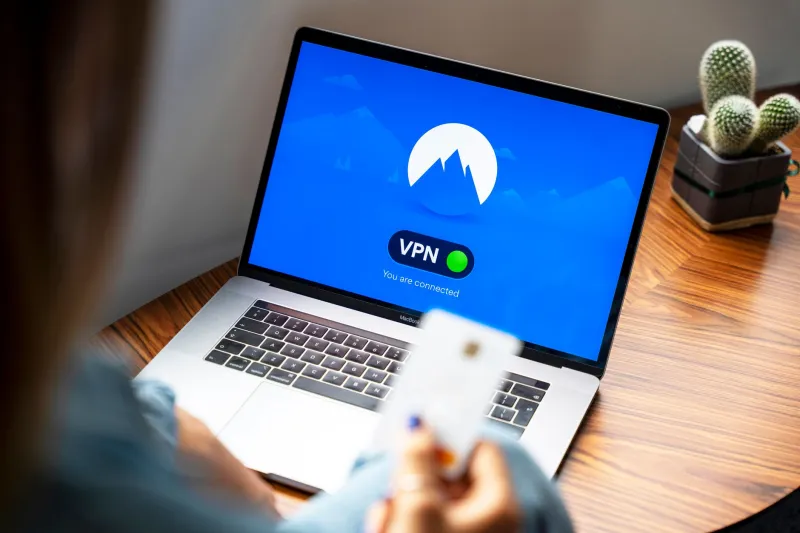
There's a ritual that a surprising chunk of the US adult anime community performs before they even hit play. Open the VPN app, pick a Japanese or European server, wait for the green checkmark, then navigate to a platform that would otherwise greet them with a cold "not available in your region" message. It's become so routine for some fans that they barely think about it anymore.
But the legal and technical reality of what's actually happening — and what could happen — is worth understanding before you make it part of your nightly routine.
Why the Gap Exists in the First Place
The content disparity between what's available in Japan, parts of Europe, and the US isn't accidental. It's the direct result of how licensing deals get structured in the adult anime industry. Studios and distributors carve up the world into territories and sell rights region by region. Sometimes a US distributor simply hasn't negotiated for a particular title. Other times, a title gets acquired but sits in legal limbo while localization teams argue over how to handle certain content that might conflict with platform content policies or payment processor agreements.
The result is a catalog gap that can be enormous. Fans browsing a Japanese platform through a domestic connection might see hundreds of titles that simply don't appear anywhere on US-accessible storefronts. For fans who've been following a specific studio or series, that gap feels personal.
The Legal Grey Zone Is Real — And It's Complicated
Here's where things get genuinely murky. Using a VPN to access geo-restricted content isn't straightforwardly illegal under US federal law. There's no statute that explicitly criminalizes the act of masking your IP address to watch a video. The Computer Fraud and Abuse Act theoretically applies to "unauthorized access" to computer systems, but courts have generally been reluctant to apply it to individual consumers bypassing regional restrictions on streaming platforms.
What you're more likely violating is a Terms of Service agreement. Virtually every streaming platform with regional restrictions explicitly prohibits VPN use in their ToS. That's a civil matter between you and the platform — the consequence is typically account suspension or termination, not a lawsuit or criminal charge.
That said, the legal picture isn't static. Some legal scholars have argued that willfully circumventing a technical protection measure could implicate the Digital Millennium Copyright Act, particularly if the geo-block is framed as a technological protection measure. No US court has issued a definitive ruling on this specific scenario for individual consumers, which is exactly what makes it a grey area rather than a green light.
What Platforms Are Actually Doing About It
The cat-and-mouse dynamic between VPN users and streaming platforms has escalated significantly over the past few years. Early geo-blocking was simple IP-based filtering — easy to defeat with any basic VPN. Platforms have gotten considerably more sophisticated since then.
Modern detection methods include checking for IP addresses that appear on known VPN provider lists, analyzing traffic patterns that don't match typical user behavior, cross-referencing payment method country of origin against detected location, and using DNS leak detection to catch poorly configured VPN setups. Some platforms have started requiring users to verify location through methods that are harder to spoof — local payment methods, phone number verification, even periodic re-verification.
The most popular consumer VPN services play an ongoing game of cycling their IP address pools to stay ahead of blocklists. It works until it doesn't, and many users have experienced the frustration of a previously reliable server suddenly triggering a geo-block error mid-session.
The Community Infrastructure That's Built Up Around This
What's interesting from a fan culture perspective is how much community knowledge has accumulated around the practice. Dedicated threads on forums and Discord servers track which VPN providers are currently working for which platforms. Users share server recommendations, warn each other when a previously reliable workaround gets patched, and debate the technical merits of different protocols.
This is the kind of grassroots technical knowledge-sharing that the adult anime community has always been good at — the same energy that built tagging databases and fan translation networks getting applied to access infrastructure. It's genuinely impressive, even if the underlying motivation is just wanting to watch content that's arbitrarily unavailable in your zip code.
The Honest Risk Assessment
For most US fans using a VPN to access adult anime content on legitimate foreign platforms, the realistic risk is: your account gets banned and you lose access. That's it. The scenario where federal prosecutors decide to make an example out of someone for watching anime through a VPN doesn't exist in practice.
The more meaningful risks are practical ones. VPN services cost money, and cheaper providers have notoriously poor privacy practices — meaning the service you're using to protect your viewing habits might be logging and selling your data. Free VPN services are almost categorically worse on this front. There's also the risk of stumbling onto fraudulent platforms that present themselves as legitimate foreign storefronts but are actually phishing operations or malware vectors.
The grey area is real, but it's grey in a specific way: legally ambiguous for individuals, practically enforced through Terms of Service rather than criminal law, and increasingly technically challenging to maintain reliably. Whether that risk-reward calculation works for you depends on how much that missing content matters and how carefully you're managing the tools you use to get it.